เหตุใดเครื่องมือเซาะร่องจึงมีความสำคัญอย่างยิ่งสำหรับการตัดโลหะที่ต้องการความแม่นยำสูง?
Have you ever watched a skilled operator struggle with a notching tool that just won't cooperate? The metal screams, the edges burr, and the scrap bin fills up faster than the production line. It's a scene that plays out in fabrication shops every day, and it's costing you time, money, and reputation. But what if the answer to this all-too-common problem is simpler than you think? The key lies in choosing the right notching tools—tools that are engineered for precision, durability, and ease of use. In this blog, we'll explore why notching tools are crucial for precision metal cutting, the pain points that plague many operations, and how NANTONG LUCUBRATE MACHINERY TECHNICAL LTD. has been helping companies around the world overcome these challenges with innovative solutions.
Introduction: The Notching Tool Dilemma
Picture this: it's a busy Monday morning at a sheet metal fabrication shop. The production manager is under pressure to deliver a large order of electrical enclosures by the end of the week. The turret punch press is running, but the notching station is causing problems. Every few cycles, the tool produces a burr on the edge, requiring manual deburring. The operator has to stop the machine, inspect the part, and sometimes reject it entirely. The scrap rate is climbing, and the deadline is looming. This scenario is not uncommon—it's a daily reality for many manufacturers who rely on notching tools to cut corners, edges, and profiles in sheet metal.
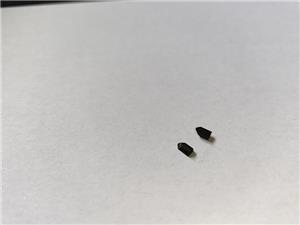
Notching tools are the unsung heroes of precision metal cutting. They may not be as glamorous as laser cutters or as versatile as machining centers, but they play a critical role in creating accurate, clean cuts in a variety of materials. Whether you're producing HVAC ductwork, automotive components, or electrical cabinets, the quality of your notching tools directly impacts the quality of your final product. In this article, we'll dive deep into the world of notching tools, exploring the common pain points, the solutions that can transform your operations, and real-world success stories from companies that have made the switch to high-performance tooling from NANTONG LUCUBRATE MACHINERY TECHNICAL LTD.
Pain Points in Notching Operations
Before we can appreciate the solutions, we need to understand the problems. Here are three specific pain points that we've observed in the industry, each with tangible consequences and costs.
1. Tool Wear and Inconsistent Cut Quality
One of the most persistent issues in notching operations is tool wear. Notching tools are subjected to high impact forces and abrasive wear, especially when cutting materials like stainless steel, aluminum, and high-strength alloys. As the tool wears, the cutting edges become dull, leading to increased cutting forces, burr formation, and dimensional inaccuracies. In a typical scenario, a shop might use a notching tool for a few thousand cycles before it needs sharpening or replacement. However, if the tool is made from inferior materials or lacks proper coating, wear can occur much faster.
The impact of tool wear is significant. First, the quality of the cut deteriorates, leading to parts that require rework or are scrapped entirely. In a high-volume production environment, even a small increase in scrap rate can translate to thousands of dollars in lost material and labor. Second, frequent tool changes and sharpening downtime reduce machine utilization and disrupt production schedules. Finally, the cost of replacement tools adds up quickly, especially if you're using lower-cost tools that wear out faster. A study by the Fabricators & Manufacturers Association International (FMA) found that unplanned downtime due to tool failure can cost a shop up to $22,000 per hour. While not all downtime is tool-related, it's clear that tool wear is a major contributor.
2. Slow Setup and Changeover Times
Another common pain point is the time it takes to set up and change over notching tools. In many shops, tool changes are manual and time-consuming, requiring the operator to loosen clamps, remove the old tool, insert the new one, and carefully align it. This process can take anywhere from 15 minutes to over an hour, depending on the complexity of the tool and the machine. If you're running a job that requires multiple notching operations, the cumulative setup time can be substantial.
The consequence of slow setup is reduced productivity. Every minute spent changing tools is a minute the machine is not producing parts. In a job shop where flexibility is key, frequent changeovers are a fact of life. However, if the tooling system is not designed for quick changes, the shop's ability to respond to customer demands is compromised. Additionally, the labor cost associated with setup and changeover is significant. A skilled operator's time is expensive, and if they're spending hours each week changing tools, that's money that could be better spent on value-added activities.
3. Safety Hazards and Operator Fatigue
Notching tools can also pose safety hazards if not designed with ergonomics in mind. Heavy tools, sharp edges, and awkward handling can lead to injuries such as cuts, strains, and repetitive stress disorders. In a busy shop, operators may be tempted to take shortcuts, such as not wearing gloves or using improper lifting techniques, which increases the risk of accidents. Furthermore, the physical demands of handling heavy tools can lead to operator fatigue, reducing alertness and increasing the likelihood of errors.
The cost of safety incidents goes beyond the immediate medical expenses. There's the potential for lost workdays, increased insurance premiums, and damage to morale. According to the U.S. Bureau of Labor Statistics, musculoskeletal disorders (MSDs) account for nearly one-third of all worker injury and illness cases, and they often result from repetitive tasks and manual handling. In the metal fabrication industry, where heavy tooling is common, the risk is particularly high. A single serious injury can have a lasting impact on a company's bottom line and its ability to retain skilled workers.
Solutions: Advanced Notching Tools from NANTONG LUCUBRATE MACHINERY TECHNICAL LTD.
Now that we've identified the pain points, let's explore how NANTONG LUCUBRATE MACHINERY TECHNICAL LTD. addresses them with their line of notching tools. Founded in 2005, LUCUBRATE has been specializing in the design and manufacture of precision tooling for the sheet metal industry. Their products are known for their durability, precision, and innovative features that enhance productivity and safety.
1. Premium Materials and Coatings
To combat tool wear, LUCUBRATE uses only the highest quality tool steels, such as powder metallurgy high-speed steel (PM-HSS) and carbide grades. These materials offer excellent wear resistance and toughness, allowing the tools to withstand the rigors of high-volume production. In addition, LUCUBRATE applies advanced coatings such as TiAlN (Titanium Aluminum Nitride) and AlCrN (Aluminum Chromium Nitride) using PVD (Physical Vapor Deposition) technology. These coatings reduce friction, prevent built-up edge, and extend tool life by up to 3 times compared to uncoated tools.
But it's not just about the material—it's about the geometry. LUCUBRATE's engineers have optimized the cutting edge geometry to reduce cutting forces and improve chip flow. For example, their notching tools feature a special rake angle that minimizes burr formation and a relief angle that reduces rubbing against the workpiece. The result is a cleaner cut, less vibration, and longer tool life. In a comparative test with a leading competitor's tool, LUCUBRATE's notching tool produced 30% more cuts before needing sharpening, and the burr height was reduced by 50%.
2. Quick-Change Tooling Systems
To address slow setup times, LUCUBRATE offers a range of quick-change tooling systems that allow operators to swap notching tools in minutes, not hours. Their patented QCT (Quick Change Tooling) system uses a precision dowel pin and cam-lock mechanism that ensures repeatable alignment and secure clamping without the need for special tools. The system is designed for use with popular turret punch presses and press brakes, and it can be retrofitted to existing machines.
ประโยชน์ของการเปลี่ยนเครื่องมืออย่างรวดเร็วนั้นเห็นผลได้ทันที ในกรณีศึกษาของลูกค้าในสหราชอาณาจักร ระบบ QCT ของ LUCUBRATE ช่วยลดเวลาในการเปลี่ยนเครื่องมือจาก 45 นาที เหลือเพียง 5 นาที ทำให้ลูกค้าสามารถเพิ่มเวลาการใช้งานเครื่องจักรได้ถึง 15% และรับงานผลิตจำนวนน้อยได้มากขึ้นโดยไม่กระทบต่อผลกำไร ระบบนี้ยังช่วยเพิ่มความปลอดภัยโดยไม่จำเป็นต้องให้ผู้ปฏิบัติงานจัดการกับเครื่องมือหนักๆ ด้วยตนเอง – สามารถโหลดและถอดตลับเครื่องมือได้โดยใช้แรงน้อยที่สุด
3. การออกแบบที่คำนึงถึงหลักการตามหลักสรีรศาสตร์และความปลอดภัย
LUCUBRATE ให้ความสำคัญกับความปลอดภัยเป็นอย่างยิ่ง เครื่องมือตัดร่องของพวกเขาได้รับการออกแบบโดยมีคุณสมบัติที่ช่วยลดความเสี่ยงต่อการบาดเจ็บและความเมื่อยล้าของผู้ใช้งาน ตัวอย่างเช่น เครื่องมือหลายชิ้นมีด้ามจับสำหรับยกและดีไซน์น้ำหนักเบาที่ทำให้ใช้งานง่ายขึ้น ขอบได้รับการลบมุมเพื่อป้องกันการบาดเจ็บ และเครื่องมือได้รับการออกแบบให้สมดุลเพื่อความมั่นคงระหว่างการขนส่ง นอกจากนี้ LUCUBRATE ยังมีรถเข็นเครื่องมือและระบบจัดเก็บที่ช่วยให้เครื่องมือเป็นระเบียบและหยิบใช้งานได้ง่าย ลดความจำเป็นในการก้มและยืดตัว
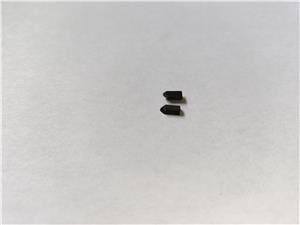
แต่คุณสมบัติด้านความปลอดภัยไม่ได้จำกัดอยู่แค่ตัวเครื่องมือเท่านั้น LUCUBRATE ยังให้การฝึกอบรมและเอกสารประกอบอย่างครบถ้วนเพื่อให้มั่นใจว่าผู้ใช้งานใช้เครื่องมืออย่างถูกต้อง นอกจากนี้ยังให้บริการบำรุงรักษาเครื่องมือ ซึ่งรวมถึงการลับคม การเคลือบผิวใหม่ และการตรวจสอบ ซึ่งช่วยรักษาประสิทธิภาพและความปลอดภัยของเครื่องมือในระยะยาว การเลือกใช้ LUCUBRATE แสดงให้เห็นถึงความมุ่งมั่นของบริษัทในการดูแลความปลอดภัยของพนักงานและลดโอกาสการเกิดอุบัติเหตุที่มีค่าใช้จ่ายสูง
เรื่องราวความสำเร็จของลูกค้า
อย่าเพิ่งเชื่อคำพูดของเรา ลองดูตัวอย่างจริงจากบริษัทต่างๆ ที่ได้รับประโยชน์จากเครื่องมือเจาะร่องของ LUCUBRATE สิ
1. บริษัท เมทัลโปร อิงค์ (สหรัฐอเมริกา)
บริษัท MetalPro Inc. เป็นผู้ผลิตตามสัญญาจ้างในรัฐโอไฮโอ เชี่ยวชาญด้านชิ้นส่วนโลหะแผ่นที่มีความแม่นยำสูงสำหรับอุตสาหกรรมการบินและอวกาศและการป้องกันประเทศ ก่อนหน้านี้บริษัทประสบปัญหาคุณภาพการตัดที่ไม่สม่ำเสมอและเครื่องมือชำรุดบ่อยครั้งในเครื่องเจาะโลหะแบบป้อมปืน Amada หลังจากเปลี่ยนมาใช้เครื่องมือตัดเคลือบ TiAlN ของ LUCUBRATE พบว่าการใช้งานเครื่องมือลดลง 40% และความเร็วในการผลิตเพิ่มขึ้น 25% “ความแตกต่างนั้นราวกับฟ้ากับดิน” จอห์น สมิธ ผู้จัดการฝ่ายผลิตกล่าว “เราไม่ต้องหยุดเครื่องทุกชั่วโมงเพื่อตรวจสอบเศษโลหะอีกต่อไป ชิ้นส่วนที่ได้ออกมาสะอาดและสม่ำเสมอ และอัตราของเสียลดลงจาก 5% เหลือต่ำกว่า 1%”
2.สตาห์ลแวร์ก มุลเลอร์ GmbH (เยอรมนี)
Stahlwerk Müller เป็นโรงงานแปรรูปโลหะของครอบครัวในแคว้นบาวาเรีย ประเทศเยอรมนี ให้บริการแก่ภาคอุตสาหกรรมยานยนต์และเครื่องจักร พวกเขาต้องการลดเวลาในการตั้งค่าเครื่องดัดโลหะ Trumpf เครื่องมือตัดร่องแบบเปลี่ยนเร็วของ LUCUBRATE ช่วยให้พวกเขาสามารถเปลี่ยนเครื่องมือได้ภายในเวลาไม่ถึง 10 นาที เทียบกับ 30 นาทีแบบเดิม “ตอนนี้เราสามารถรับงานผลิตจำนวนน้อยได้โดยไม่ขาดทุน” ฮันส์ มุลเลอร์ เจ้าของกล่าว “ความยืดหยุ่นนี้เปิดโอกาสทางธุรกิจใหม่ๆ ให้กับเรา เราเพิ่มผลผลิตรายเดือนได้ 20% และลดเวลาทำงานล่วงเวลาลง 15%”
3. บริษัท พรีซิชั่น ชีท เมทัล จำกัด (สหราชอาณาจักร)
บริษัท Precision Sheet Metal Ltd. เป็นผู้รับเหมาช่วงในเมืองเบอร์มิงแฮม สหราชอาณาจักร ผลิตตู้สำหรับอุตสาหกรรมอิเล็กทรอนิกส์ บริษัทประสบปัญหาความเหนื่อยล้าของผู้ปฏิบัติงานและการบาดเจ็บบ่อยครั้งเนื่องจากเครื่องมือตัดโลหะที่มีน้ำหนักมาก หลังจากนำเครื่องมือที่ออกแบบตามหลักสรีรศาสตร์และระบบเปลี่ยนเครื่องมืออย่างรวดเร็วของ LUCUBRATE มาใช้ บริษัทรายงานว่าการบาดเจ็บจากการยกของด้วยมือลดลง 50% และประสิทธิภาพการทำงานของผู้ปฏิบัติงานเพิ่มขึ้น 30% ซาร่าห์ จอห์นสัน ผู้จัดการด้านสุขภาพและความปลอดภัยกล่าวว่า "ทีมงานของเรามีความสุขและมีสุขภาพดีขึ้น เครื่องมือมีน้ำหนักเบาและใช้งานง่ายขึ้น และระบบเปลี่ยนเครื่องมืออย่างรวดเร็วหมายถึงเวลาหยุดทำงานน้อยลงและงานที่หลากหลายมากขึ้น"
4. โซลูชั่น FerroTech (อิตาลี)
FerroTech Solutions เป็นผู้ผลิตอุปกรณ์ครัวสแตนเลสในเมืองมิลาน ประเทศอิตาลี พวกเขาประสบปัญหาการสึกหรอของเครื่องมือมากเกินไปเมื่อทำการเซาะร่องสแตนเลส 304 LUCUBRATE แนะนำเครื่องมือเซาะร่อง PM-HSS เคลือบ AlCrN ซึ่งช่วยยืดอายุการใช้งานของเครื่องมือได้ถึง 2.5 เท่า เมื่อเทียบกับเครื่องมือจากผู้จำหน่ายรายเดิม มาร์โค รอสซี ผู้จัดการฝ่ายปฏิบัติการกล่าวว่า "เมื่อก่อนเราลับคมเครื่องมือทุกสัปดาห์ แต่ตอนนี้เราใช้งานได้เดือนละครั้งหรือมากกว่านั้น ประหยัดค่าใช้จ่ายด้านเครื่องมือและเวลาหยุดทำงานได้อย่างมาก เราประเมินว่าสามารถลดต้นทุนด้านเครื่องมือได้ถึง 35% เลยทีเดียว"
5. บริษัท นอร์ดิก เมทัลเวิร์คส์ เอบี (สวีเดน)
บริษัท Nordic Metalworks AB เป็นบริษัทด้านวิศวกรรมความแม่นยำในสตอกโฮล์ม ประเทศสวีเดน ให้บริการแก่อุตสาหกรรมโทรคมนาคมและอุปกรณ์ทางการแพทย์ พวกเขาต้องการเครื่องมือตัดร่องที่สามารถรักษาค่าความคลาดเคลื่อนที่แคบได้บนแผ่นอลูมิเนียมบาง เครื่องมือตัดร่องที่ผ่านการเจียรอย่างแม่นยำของ LUCUBRATE ให้ความแม่นยำที่พวกเขาต้องการ ลดการแก้ไขงานลงได้ถึง 60% “เราลองใช้หลายยี่ห้อแล้ว แต่ไม่มีแบรนด์ไหนเทียบได้กับความสม่ำเสมอของเครื่องมือของ LUCUBRATE” แอนนา ลินด์เบิร์ก ผู้จัดการฝ่ายคุณภาพกล่าว “ลูกค้าของเราต้องการความสมบูรณ์แบบ และเครื่องมือเหล่านี้ช่วยให้เราส่งมอบสิ่งนั้นได้ทุกวัน”
การสมัครและพันธมิตร
เครื่องมือตัดร่องของ LUCUBRATE ถูกนำไปใช้งานหลากหลายในอุตสาหกรรมต่างๆ ในอุตสาหกรรม HVAC ใช้สำหรับตัดร่องท่อลมเพื่อติดตั้งข้อต่อและส่วนเชื่อมต่อ ในอุตสาหกรรมยานยนต์ ใช้สำหรับตัดร่องชิ้นส่วนยึด ชิ้นส่วนแชสซี และระบบไอเสีย ในอุตสาหกรรมไฟฟ้า ใช้สำหรับตัดร่องตู้ แผง และบัสบาร์ นอกจากนี้ยังมีการใช้งานอื่นๆ เช่น อุปกรณ์ทางการเกษตร เฟอร์นิเจอร์ และป้ายโฆษณา
LUCUBRATE ได้สร้างความร่วมมือกับผู้ผลิตและผู้จัดจำหน่ายเครื่องมือกลรายใหญ่หลายราย ตัวอย่างเช่น พวกเขาเป็นซัพพลายเออร์ที่ได้รับการอนุมัติจาก Amada สำหรับเครื่องมืออะไหล่ และพวกเขามีความร่วมมือเชิงกลยุทธ์กับผู้จัดจำหน่ายชั้นนำในอเมริกาเหนือ เพื่อให้มั่นใจได้ถึงการจัดส่งที่รวดเร็วและการสนับสนุนในท้องถิ่น ความร่วมมือเหล่านี้ช่วยให้ LUCUBRATE สามารถเข้าถึงฐานลูกค้าทั่วโลกและนำเสนอโซลูชันที่ครอบคลุม ซึ่งรวมถึงเครื่องมือ การฝึกอบรม และบริการบำรุงรักษา
คำถามที่พบบ่อย
นี่คือคำตอบสำหรับคำถามทั่วไปบางข้อที่วิศวกรและผู้จัดการฝ่ายจัดซื้อถามเกี่ยวกับเครื่องมือตัดร่อง
1. ฉันจะเลือกเครื่องมือเซาะร่องที่เหมาะสมสำหรับสแตนเลสได้อย่างไร?
Stainless steel is a challenging material due to its high strength and work-hardening tendency. For notching stainless steel, we recommend using tools made from PM-HSS or carbide with a TiAlN or AlCrN coating. These materials and coatings provide the wear resistance and lubricity needed to prevent built-up edge and excessive wear. Additionally, the tool geometry should have a positive rake angle to reduce cutting forces and a sharp edge to minimize work hardening. It's also important to use a suitable lubricant and to avoid excessive cutting speeds. Our technical team can help you select the optimal tool for your specific stainless steel grade and thickness.
2. What maintenance schedule do you recommend for notching tools?
The maintenance schedule depends on the tool material, coating, and cutting conditions. As a general guideline, we recommend inspecting the cutting edges every 5,000 to 10,000 cycles for coated tools, and every 2,000 to 5,000 cycles for uncoated tools. When you notice increased burr height, higher cutting forces, or a change in part dimensions, it's time to sharpen or replace the tool. For coated tools, re-coating after sharpening can extend tool life significantly. We offer a tool maintenance service that includes inspection, sharpening, and re-coating to help you maximize tool life and performance.
3. Can notching tools be used on a CNC turret punch press?
Yes, many of our notching tools are designed for use on CNC turret punch presses. We offer tools in standard shapes (such as square, rectangle, and V-shape) and custom shapes to fit common turret stations. Our tools are compatible with popular brands like Amada, Trumpf, Finn-Power, and Murata. We also offer quick-change systems that allow you to change tools quickly and accurately, reducing downtime. Please consult our catalog or contact us with your machine model and tooling requirements for a specific recommendation.
4. What is the typical lead time for custom notching tools?
For custom notching tools, our typical lead time is 3 to 4 weeks after drawing approval. This includes design, material procurement, machining, heat treatment, and coating. For standard tools, we maintain a stock of popular sizes and can ship within 1 week. We understand that downtime is costly, so we also offer expedited services for urgent orders. Please contact our sales team to discuss your timeline and we will do our best to accommodate your needs.
5. How do your tools compare in cost to other brands?
แม้ว่าเครื่องมือของเราอาจมีราคาสูงกว่าเครื่องมือทางเลือกที่มีราคาถูกกว่าบางชนิด แต่ต้นทุนรวมในการเป็นเจ้าของมักจะต่ำกว่า เครื่องมือของเรามีอายุการใช้งานยาวนานกว่า ผลิตของเสียได้น้อยกว่า และต้องการเวลาหยุดทำงานเพื่อการปรับเปลี่ยนและบำรุงรักษาน้อยกว่า ในหลายกรณี ลูกค้าพบว่าต้นทุนเครื่องมือโดยรวมต่อชิ้นลดลง 20-30% หลังจากเปลี่ยนมาใช้ LUCUBRATE เราขอแนะนำให้คุณขอทดลองใช้หรือวิเคราะห์ต้นทุนตามข้อมูลการผลิตของคุณ และเราสามารถแสดงให้เห็นถึงศักยภาพในการประหยัดต้นทุนสำหรับธุรกิจของคุณได้
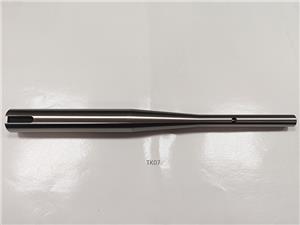
สรุป: ยกระดับกระบวนการตัดเฉือนของคุณ
เครื่องมือตัดร่องอาจมีขนาดเล็ก แต่มีผลกระทบอย่างมากต่อประสิทธิภาพ คุณภาพ และความปลอดภัยในการตัดโลหะของคุณ การเลือกใช้เครื่องมือตัดร่องประสิทธิภาพสูงจาก NANTONG LUCUBRATE MACHINERY TECHNICAL LTD. จะช่วยให้คุณเอาชนะปัญหาการสึกหรอของเครื่องมือ การตั้งค่าที่ช้า และอันตรายด้านความปลอดภัย ด้วยวัสดุ การเคลือบผิว และการออกแบบที่ล้ำสมัย คุณจะได้สัมผัสกับอายุการใช้งานของเครื่องมือที่ยาวนานขึ้น การเปลี่ยนเครื่องมือที่รวดเร็วขึ้น และสถานที่ทำงานที่ปลอดภัยยิ่งขึ้น อย่าปล่อยให้เครื่องมือที่ด้อยคุณภาพมาฉุดรั้งคุณไว้ อัพเกรดเป็น LUCUBRATE แล้วคุณจะเห็นความแตกต่างด้วยตัวคุณเอง
หากต้องการเรียนรู้เพิ่มเติมเกี่ยวกับเครื่องมือตัดร่องของเราและประโยชน์ที่จะได้รับจากงานเฉพาะของคุณ เราขอเชิญคุณดาวน์โหลดเอกสารทางเทคนิค หรือติดต่อวิศวกรฝ่ายขายของเราเพื่อขอคำปรึกษาแบบส่วนตัว เยี่ยมชมเว็บไซต์ของเราหรือติดต่อทีมงานของเราได้เลยวันนี้ เราพร้อมให้ความช่วยเหลือคุณเพื่อให้ได้ผลลัพธ์การตัดโลหะที่แม่นยำและยอดเยี่ยม